
Zillow Tells Brokerages "Take It or Leave It" With Its Listing Access Standards
 By Chrystal CaruthersFounder, AuthorityContent.aiPublisher, The Mortgage Note
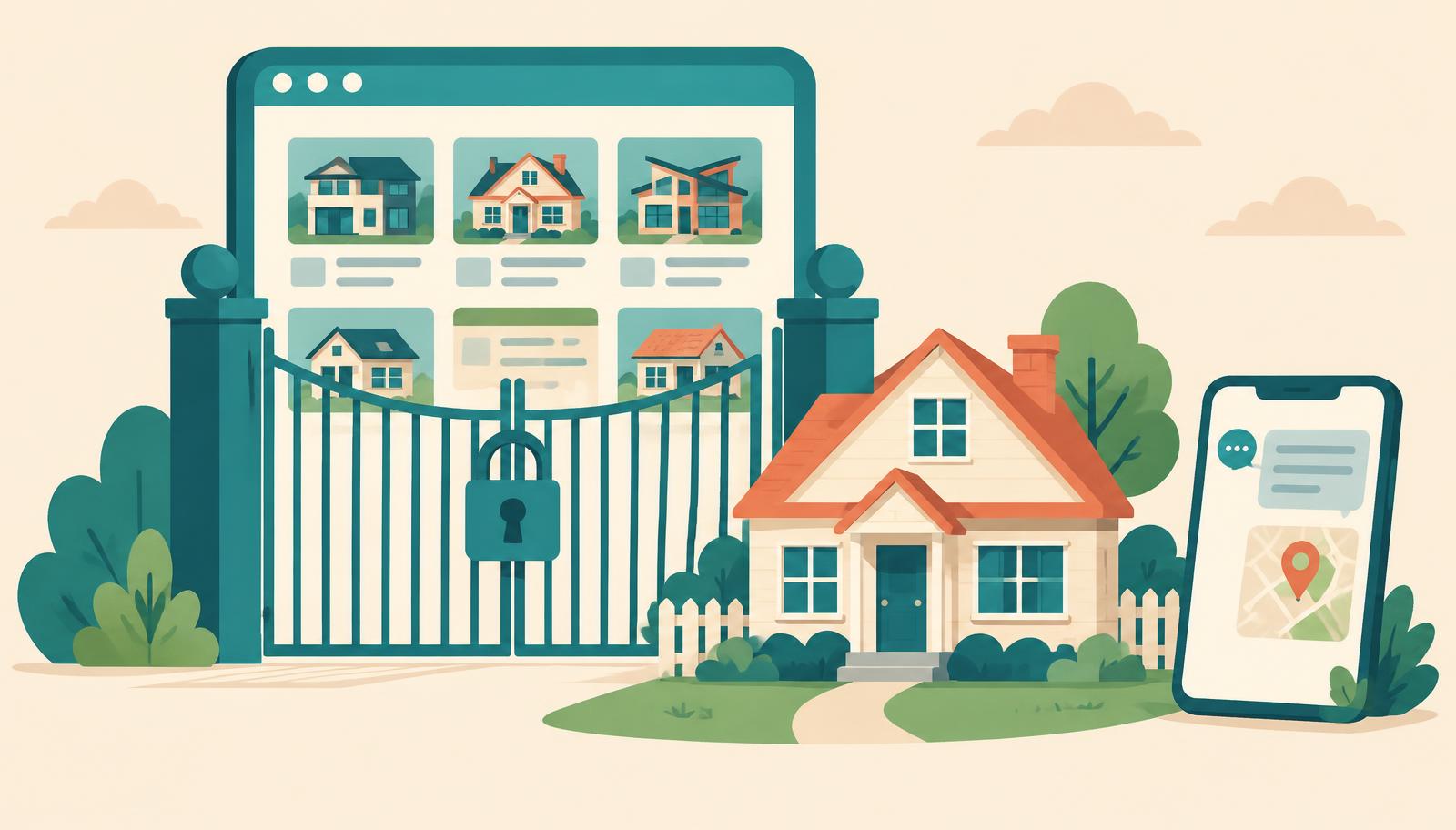
Zillow presents its Listing Access Standards as consumer protection, but the rules also protect its business model. Here's what the standards mean for brokers and why AI discovery is changing how qualified buyers find homes.
TL;DR / Executive Brief
- Zillow frames its Listing Access Standards as a fight against hidden inventory, but the rules also defend a business built on capturing buyer attention.
- Listings marketed privately without broad MLS distribution can be barred from Zillow and Trulia, and repeat offenses can block a listing for the life of the agreement.
- Mass exposure is not the same as qualified demand. Brokers who build for AI discovery can reach high-intent buyers without depending on a portal.
A consumer-protection story with a business motive
Zillow presents its Listing Access Standards as a stand against a rising tide of "hidden inventory." The message is simple: Every buyer deserves to see every home. It sounds like consumer protection.
Look closer, and the standards read as something else: the latest effort to defend Zillow's business model. For brokers, that distinction matters, because the rules shape how and where you can market your sellers' homes.
The business logic behind Zillow's rules
Zillow's model rests on one belief: Buyers trust that every available home lives on Zillow. As long as that belief holds, buyers start their search there, and agents pay to reach them.
Zillow has also earned a unique place in popular culture as the site people browse for fun, escape, and daydreaming, often with no plan to buy. Saturday Night Live even built a sketch around the habit. That attention is valuable to a portal. It is far less valuable to a broker who needs to sell a specific home.
As brokerages turn to private listing networks, office exclusives, pocket listings, and other strategies that bypass the portal, Zillow risks losing its hold on buyer attention. According to Zillow's 2025 annual report, residential revenue, driven by its Premier Agent advertising products, reached $1.7 billion, or 66 percent of its $2.6 billion in total revenue. Every listing that never reaches the portal is a direct threat to that business.
Where the standards get aggressive
To enforce compliance, Zillow's standards state that:
- Any listing marketed publicly or placed in a brokerage private network or registration wall without broad MLS distribution is barred from Zillow and Trulia.
- After two warnings, every later noncompliant listing is blocked for the entire life of the listing agreement.
Meanwhile, Zillow's own Zillow Previews program uses similar pre-marketing tactics. Brokers are right to ask why the same practice is a violation for them and a product feature for the portal.
The rules don't eliminate pre-marketing. They decide who gets to profit from it.
The myth that mass exposure is the only way to sell
Zillow argues that broad exposure on its site is automatically best for sellers, and many agents have been trained to believe it. But online marketing has changed, and the argument confuses two different things: top-of-funnel traffic and qualified buyers.
Any agent who has bought portal leads knows the result. You get a bucket of prospects, not a list of homebuyers. Plenty of them are casual browsers, because portals sell impressions.
Even though Premier Agents may only pay Zillow a performance-based advertising fee on closed leads, that agent and their team must spend countless hours sorting, nurturing, and converting a bucket of Zillow scrollers.
Portals monetize curiosity. Brokers monetize intent.
Zillow, Trulia, and Realtor.com benefit when 10,000 casual viewers click on a listing, since even unqualified traffic produces ad views and form fills. A listing agent needs only one qualified, motivated buyer.
AI discovery is replacing the scroll
Zillow was built for a time when buyers filtered homes by ZIP code, price, and bedroom count. In 2006, that was revolutionary; no one else let consumers search homes across the country. Today's buyers increasingly ask conversational AI tools, local recommendation engines, and very specific questions instead.
That shift rewards precision over volume. When brokers support listings with hyper-local guides, answer engine optimized (AEO) structured data, and local discovery best practices, AI engines can surface a property directly to the buyers already looking for it.
The era of dumping every listing into a feed and hoping buyers sift through it is fading. Modern real estate marketing is built for AI discovery, matching high-intent criteria, and giving specific answers rather than links.
Portal mass exposure vs. AI-discoverable answers
Portal mass exposure
- Goal: Maximum views and clicks.
- Buyer: Anyone browsing, including people with no plan to buy.
- Who owns the lead: The portal, which sells it back to agents.
- Seller privacy: Every detail is public by default.
AI-discoverable answers
- Goal: Reach the right buyer with the right answer.
- Buyer: People asking specific, high-intent questions.
- Who owns the lead: The broker and listing agent.
- Seller privacy: Details are shared on the seller's terms.
Frequently asked questions
Key takeaways
- Zillow's Listing Access Standards protect the portal's position as the default starting point for buyers.
- Private marketing without broad MLS distribution can get listings barred, and repeat issues can block them for the life of the agreement.
- Traffic is not the same as qualified demand; a listing needs one motivated buyer, not 10,000 casual clicks.
- AI search rewards hyper-local, structured, answer-ready content that brokers can own.
See how visible your brokerage is to AI search
AuthoritySites builds hyper-local, answer-ready pages so AI tools can find your listings and send you high-intent buyers.
Take the AI Visibility Audit